


Yes, Brays Villas has plausible freeway access for many Houston drivers, because its address at 10402 Sandpiper Drive places it in southwest Houston near established east-west and north-south road corridors that connect to the regional freeway network. The practical answer is a little more specific, though: whether that access feels easy for you depends on which freeway you use most often, whether you drive at rush hour, and how comfortable you are with surface-street segments before you reach an entrance ramp.
For a renter asking, Does Brays Villas have easy freeway access in Houston?, the best answer is that the community appears reasonably positioned for drivers who need to connect into the broader southwest Houston road system, but “easy” should be tested against your actual commute rather than assumed from a map. Houston travel can change sharply by time of day, lane patterns, and construction, so a short local connection does not always mean a stress-free drive.
What freeway access means from this part of Houston
Brays Villas is in the 77096 area, near the Meyerland side of southwest Houston. That matters because this part of the city is not isolated from major transportation corridors, but it is also not the kind of address where you simply roll out of a parking lot directly onto a freeway. Many trips begin with local streets and arterial roads, then connect outward to larger routes.
For some renters, that setup is completely workable. If your routine involves destinations spread across southwest Houston, Uptown, the Texas Medical Center, or other parts of the city reached by multiple corridors, being on local streets first can give you options when traffic backs up on one route. In Houston, route flexibility can matter almost as much as straight-line proximity to a freeway.
For other renters, the trade-off is important. If your job requires a highly predictable early-morning or evening freeway commute, the local portion of the drive may be what determines whether access feels simple or frustrating. Stoplights, school traffic, left-turn patterns, and neighborhood congestion can add more variability than a map suggests.
This is also why a property amenity like easy access to freeways is best understood as a starting point, not a promise about commute times. The useful question is not only whether freeways are reachable, but whether the sequence from the apartment to your usual on-ramp works well for your own schedule, driving style, and destination pattern.
How to evaluate the routes that matter to you
Start with your actual destinations, not with a generic city map. A renter headed toward downtown, the Energy Corridor, the Galleria area, or the Medical Center may use different combinations of local roads and freeway corridors, and the easiest path can change depending on the hour. Before deciding, map your most common weekday trips, your weekend errand routes, and any frequent airport, school, or family drives.
Then test at the times you would really travel. In Houston, a route that looks straightforward at 2:00 p.m. can feel very different at 7:30 a.m. or 5:30 p.m. Use a live navigation app on multiple days, check both estimated drive time and the route itself, and look closely at whether the delay comes from the freeway or from getting to it.
It is also worth checking more than one likely access point. Drivers in southwest Houston often benefit from having alternate ways to reach larger corridors when one intersection or interchange is backed up. Even if you expect to use one freeway most of the time, verify whether a second route gives you a reliable fallback when weather, lane closures, or an incident changes traffic conditions.
If you are especially commute-sensitive, do one in-person drive from the neighborhood during your normal departure window. That lets you notice things digital maps may not fully convey, such as how easy it is to turn onto the main road, whether nearby intersections stack up quickly, and whether the route feels manageable for daily use. A real test drive is often the fastest way to turn a vague idea of “easy access” into a yes-or-no decision.
What else matters besides the freeway itself
Freeway access is only one part of day-to-day transportation. Brays Villas also lists public transportation among its community amenities, which may matter if your household wants a backup to driving or if only one person in the home commutes by car. Because routes and service levels can change, check METRO’s current trip planner to see what nearby service actually supports your routine.
Parking and household logistics also affect whether a location works well for drivers. If two adults leave at different times, or if you have a teen driver, visiting friends, or frequent caregivers stopping by, details like guest parking and how traffic flows in and out of the community can shape daily convenience just as much as freeway geography. Those are worth observing during a tour rather than assuming from a listing.
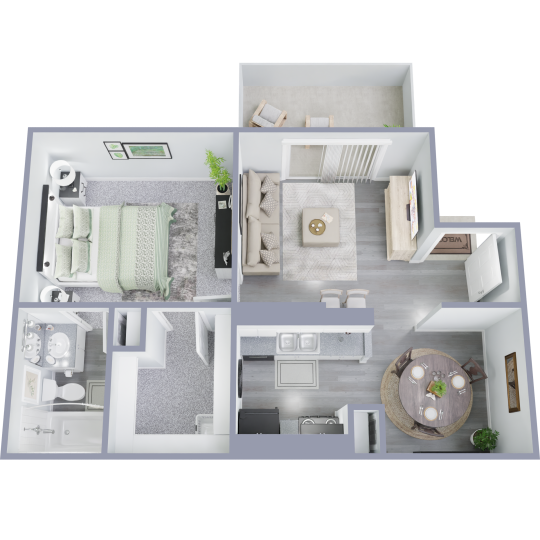
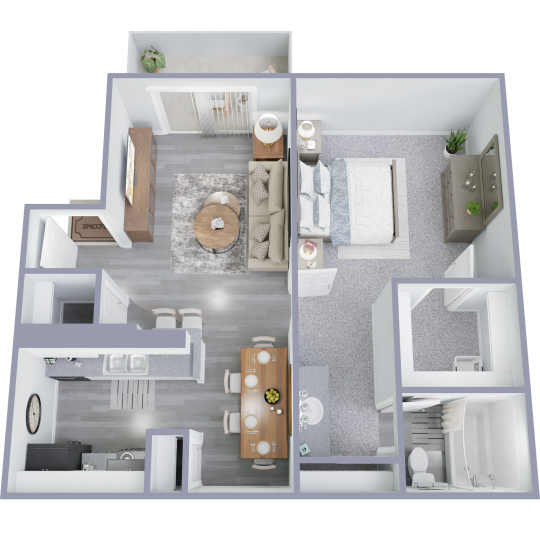
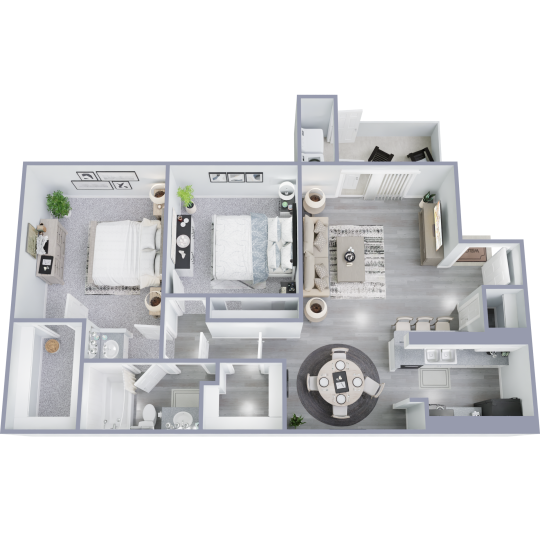
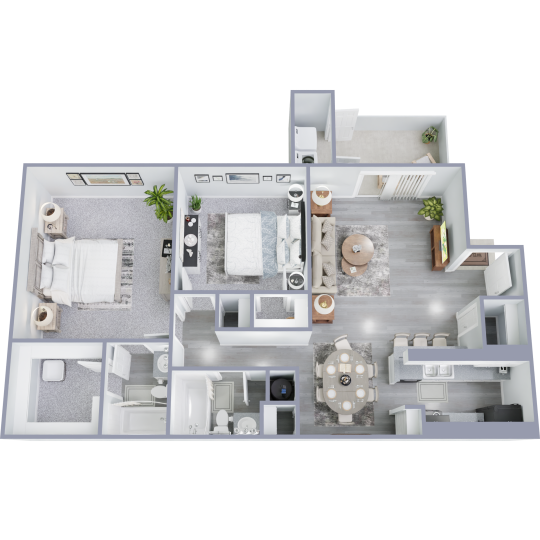
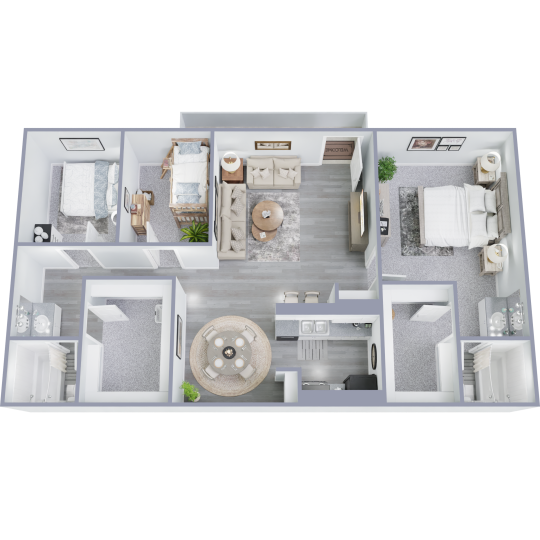
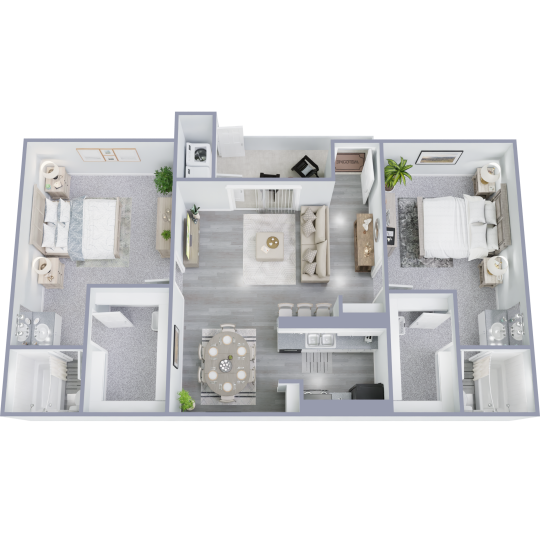
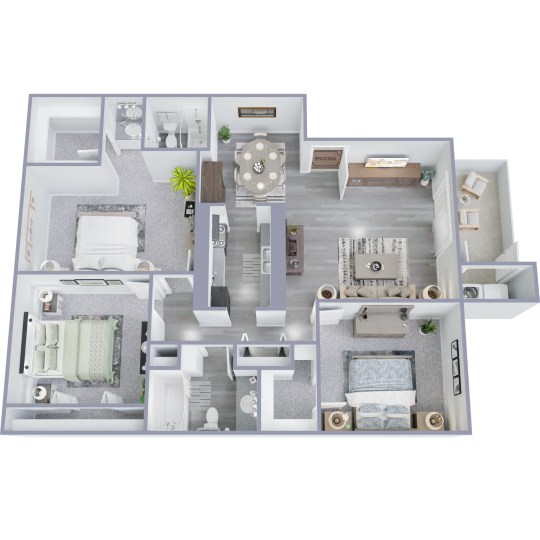
Your floor plan choice can matter indirectly if you work hybrid hours or need room to avoid peak traffic. Brays Villas offers one-, two-, and three-bedroom layouts, including two-bedroom and three-bedroom options around 960 to 993 square feet, which may give some households flexibility for a home office or staggered schedules. If that is part of your transportation strategy, ask which layouts are currently available rather than relying on past availability dates or pricing.
One honest limitation is that “easy freeway access” in Houston rarely means universally easy driving. The city is large, conditions shift often, and a location that works very well for one commuter can be a poor fit for another whose destination sits on the opposite side of the metro. The most useful next step is simple: before you lease, run your top two or three recurring drives from 10402 Sandpiper Drive during real commute windows, then ask the leasing team any practical follow-up questions about entry, parking, and the layouts that best support your routine.